Pathology gets the job done! 

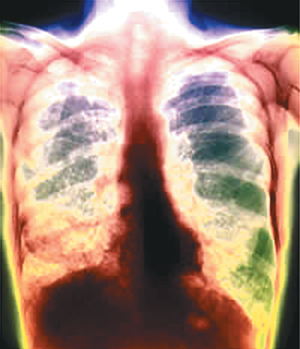
What is tuberculosis?Tuberculosis is a bacterial disease usually affecting the lungs (pulmonary TB). Other parts of the body can also be affected, for example lymph nodes, kidneys, bones, joints, etc. (extrapulmonary TB). Approximately 1,300 cases are reported each year in New York State. Diagnosing Tuberculosis: Tuberculosis is diagnosed by finding Mycobacterium tuberculosis bacteria in a clinical specimen taken from the patient. While other investigations may strongly suggest tuberculosis as the diagnosis, they cannot confirm it. A complete medical evaluation for tuberculosis (TB) must include a medical history, a physical examination, a chest X-ray and microbiological examination (of sputum or some other appropriate sample). It may also include a tuberculin skin test, other scans and X-rays, surgical biopsy. What is the treatment for tuberculosis?People with latent TB infection should be evaluated for a course of preventive therapy, which usually includes taking antituberculosis medication for several months. People with active TB disease must complete a course of treatment for six months or more. Initial treatment includes at least four anti-TB drugs, and medications may be altered based on laboratory test results. The exact medication plan must be determined by a physician. Directly observed therapy (DOT) programs are recommended for all TB patients to help them complete their therapy.
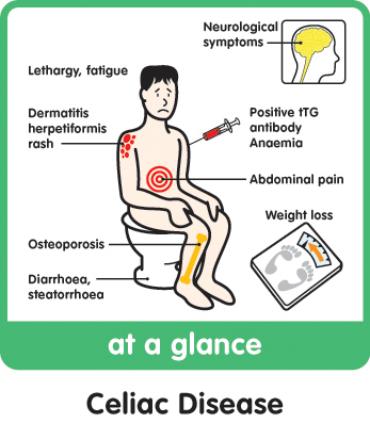
 What is Celiac disease? A disease resulting from the abnormal reaction by the body's immune system to gluten, a protein found in grains such as wheat, rye, and barley and other foods. In people who have celiac disease, the immune system causes damage to the small intestine and prevents the proper absorption of nutrients from food. Symptoms include diarrhea, anemia, and weight loss. Celiac Disease Diagnoses: There are several tests that can be used to assist in diagnosis. The level of symptoms may determine the order of the tests, but all tests lose their usefulness if the patient is already taking a gluten-free diet. Intestinal damage begins to heal within weeks of gluten being removed from the diet, and antibody levels decline over months. For those who have already started on a gluten-free diet, it may be necessary to perform a re-challenge with some gluten-containing food in one meal a day over 2–6 weeks before repeating the investigations. Celiac Disease Treatment: At present, the only effective treatment is a lifelong gluten-free diet. No medication exists that will prevent damage or prevent the body from attacking the gut when gluten is present. Strict adherence to the diet allows the intestines to heal, leading to resolution of all symptoms in most cases and, depending on how soon the diet is begun, can also eliminate the heightened risk of osteoporosis and intestinal cancer and in some cases sterility. Dietitian input is generally requested to ensure the patient is aware which foods contain gluten, which foods are safe, and how to have a balanced diet despite the limitations. In many countries, gluten-free products are available on prescription and may be reimbursed by health insurance plans. |
|